Short answer: broilers are fast-growing meat chickens that are ready in about six weeks. They are soft, mild and quick to cook. Kienyeji chickens grow for several months with more time outdoors, so the meat is firmer, leaner and much more flavourful, and it needs longer, slower cooking. Kienyeji costs more because each bird takes far longer to raise.
Side-by-side comparison
| Improved Kienyeji | Broiler | |
|---|---|---|
| What it is | Kenyan-developed cross of indigenous and improved breeds | Commercial breed developed purely for fast meat growth |
| Time to market | About 4-5 months | About 6 weeks |
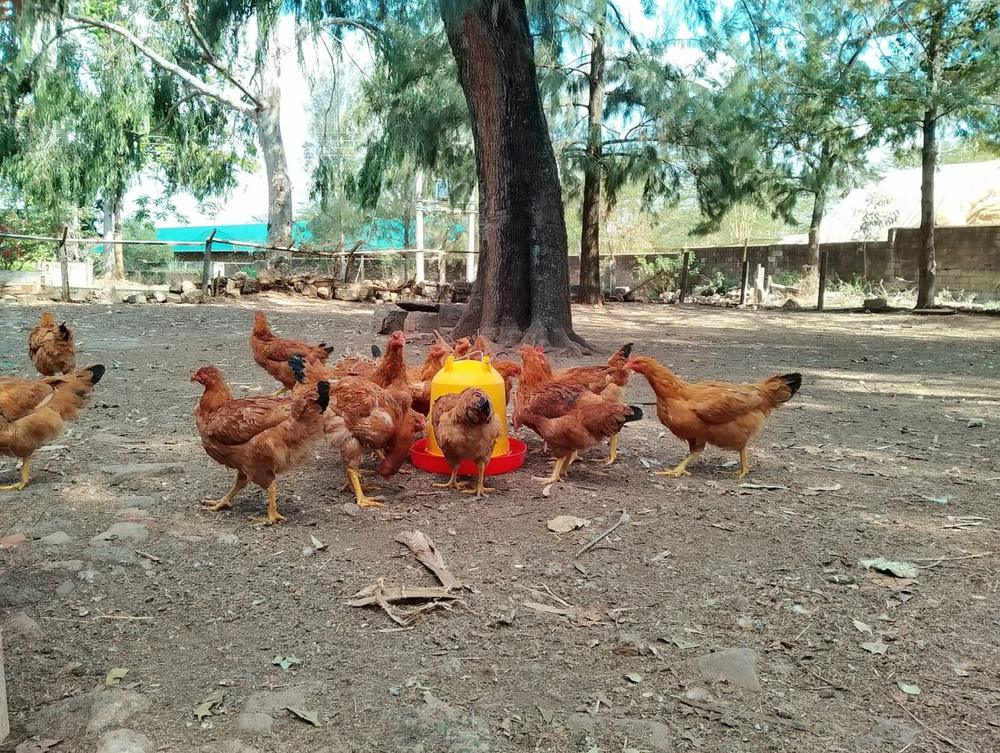
| How it is raised | Free-range or semi free-range, with supplementary feed | Mostly indoors on high-energy feed |
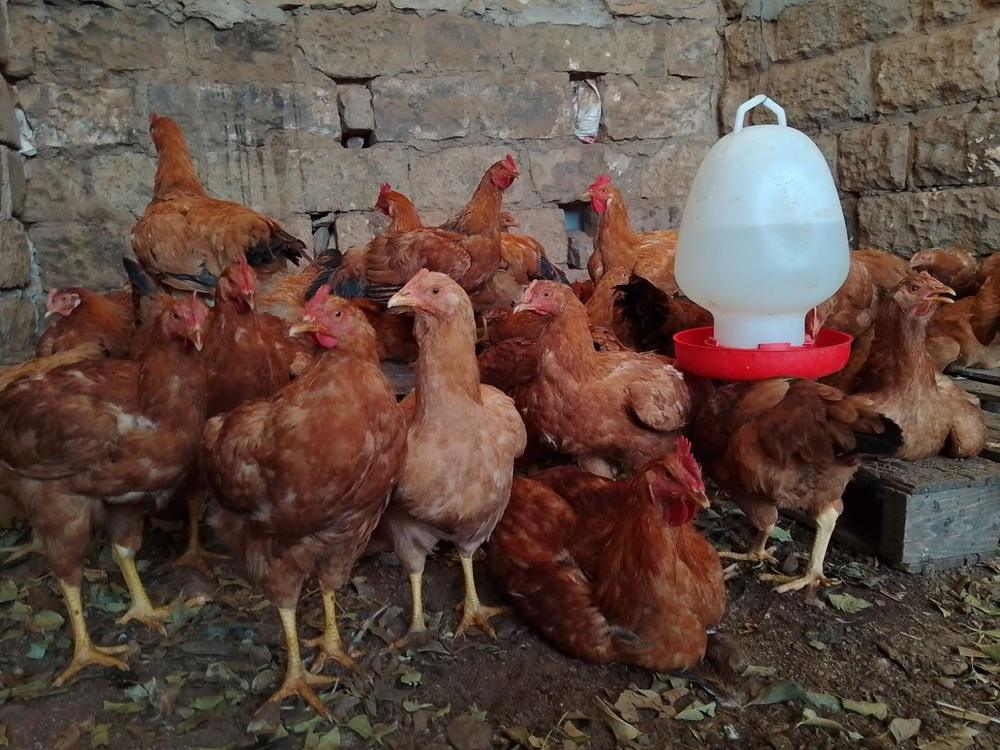
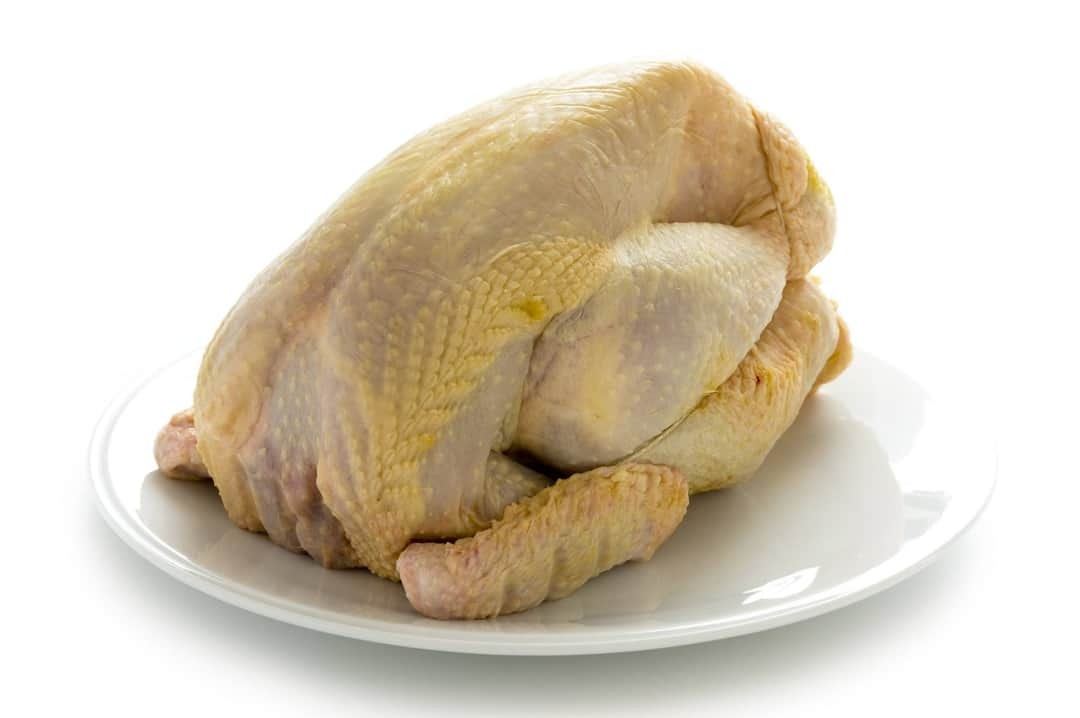
| Look | Coloured feathers, longer legs, leaner body | White feathers, broad plump breast |
| Meat | Firm, lean, darker, rich traditional flavour | Soft, tender, more fat, mild flavour |
| Cooking time | Long: 1-2 hours of simmering, or a pressure cooker | Short: about 30-45 minutes |
| Our price | Ksh 1,200 - 1,500 per bird | Ksh 500 per bird live, Ksh 450 per kg slaughtered |
| Best for | Stews, soups, choma, special occasions | Quick meals, frying, large budget catering |
What is Improved Kienyeji?
Traditional village chickens (pure kienyeji) are hardy and full of flavour, but they grow slowly and lay few eggs. Improved Kienyeji is a Kenyan-developed hybrid that combines that hardiness and flavour with the faster growth, higher egg production and efficiency of commercial breeds.
For you as a buyer, that means the kienyeji taste people remember, available reliably and at a steadier size, instead of whatever birds a village happens to have that week.
Taste and texture
This is the biggest difference, and the reason people pay more for kienyeji. Because a kienyeji chicken lives for months and walks, scratches and forages, its muscle develops more. The result is firmer, slightly chewier meat with a deeper, more "chicken" flavour, and a richer broth when you boil it.
A broiler is harvested young and moves very little, so the meat is soft and mild. It absorbs marinades well and cooks fast, which is why it is popular for frying and quick weeknight meals.
Why kienyeji costs more
- Time: a kienyeji bird is fed and cared for over about 4-5 months, compared with about 6 weeks for a broiler.
- Space: free-range birds need far more space per bird than broilers kept in a house.
- Yield: a kienyeji chicken carries less meat on the breast for its weight than a broiler bred for size.
At our farm that works out to Ksh 1,200 - 1,500 per kienyeji bird against Ksh 500 for a live broiler. See the full price list.
Is kienyeji healthier?
Both are good sources of protein. Kienyeji meat is generally leaner, with less fat under the skin, and many people prefer knowing their chicken was raised outdoors. How healthy a meal is depends just as much on how you cook it: a kienyeji stew and a boiled broiler are both lighter than deep-fried chicken of either kind.
How to tell them apart when buying
- Live: broilers are white, heavy and slow-moving. Kienyeji are coloured (brown, black, speckled), alert and active, with longer legs.
- Slaughtered: a broiler carcass is round with a wide, soft breast and pale skin. A kienyeji carcass is longer and leaner, with a narrower breast, firmer flesh and slightly darker meat.
- Cooking: if it is tender after 30 minutes on the stove, it was almost certainly a broiler.
Which should you buy?
- Choose kienyeji for Sunday lunch, visitors, celebrations, soups and stews, or whenever flavour is what matters.
- Choose broiler for quick meals, fried chicken, or feeding a large group on a budget.
- For events, many hosts do both: broiler for volume and kienyeji as the special dish.
Questions
Is Improved Kienyeji the same as pure kienyeji?
No. Pure (indigenous) kienyeji are traditional village chickens. Improved Kienyeji is a Kenyan-developed cross that keeps the hardiness and flavour of indigenous chickens but grows faster and lays more eggs, so it is more reliably available all year.
Why does kienyeji take longer to cook than broiler?
Kienyeji chickens grow for months instead of weeks and move around more, so the muscle is firmer. It needs slow, gentle cooking or a pressure cooker to become tender. See our kienyeji cooking guide.
Which is better for a party or large event?
Broilers are cheaper per plate and cook quickly, which suits large numbers. Many hosts serve kienyeji as the special dish, or choose kienyeji for everything when flavour matters most. We supply both in bulk.
Order kienyeji or broiler
Live or slaughtered and cleaned, delivered in Nairobi.